
The Hidden Reason Your Feet And Ankles Swell By Afternoon. And Why It Is Not Your Age Or Your Shoes.

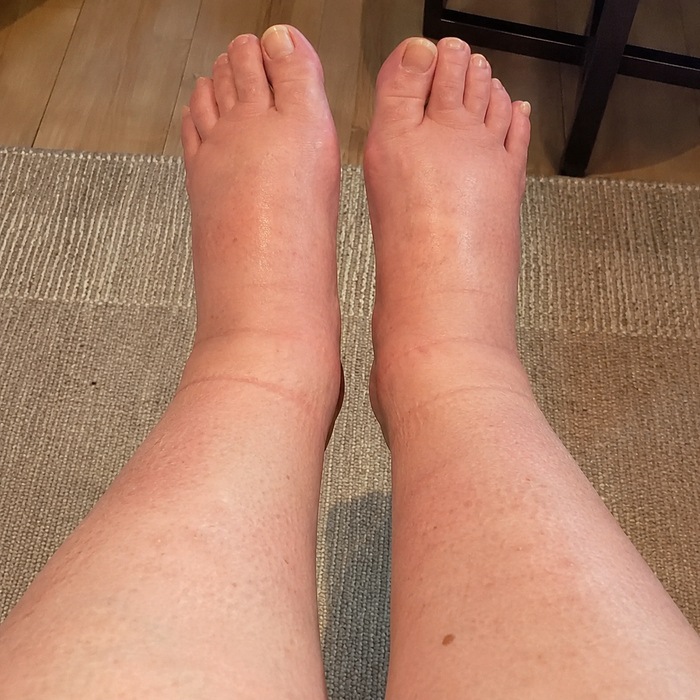
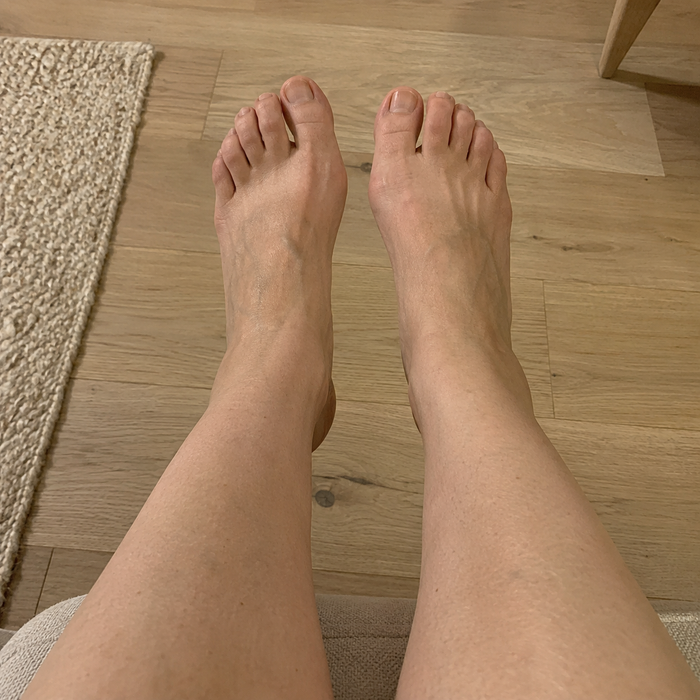
You take your shoes off at the end of the day. And there it is.
The dent in your skin where the sock sat. The puffy ankle that did not look like that this morning. The dull, heavy ache in your legs that arrives around dinner and quietly refuses to leave.
It is not laziness. It is not vanity. You just want to feel like yourself again. The version of you that could stand through a shop, walk the dog, get through a shift, and still have legs that felt like legs at the end of it. Not these two tired, swollen things you have to put up on a stool the moment you sit down.
Tired, heavy legs have a quiet way of taking the day from you. And what makes it worse is that nobody ever explains why it keeps happening. It just does. So you do what most people do.
You blame yourself.
You Have Probably Already Blamed Everything Except the Real Cause
I have been a podiatrist for fourteen years. In that time I have examined thousands of feet and legs, and I can tell you that almost every patient walks in having already decided what the problem is. They are nearly always wrong. Here is what they tell me.

"I suppose it is just my age. There is not much to be done" - Janet, 58
I hear that one more than any other sentence in my career. And it drives me quietly mad every single time, because it is the easiest one to disprove. It is not your age. I see people in their thirties with the exact same swelling and heaviness as people in their sixties. If age were the cause, that simply would not happen.
So they move to the next explanation. It must be how long I am on my feet. Except I have patients who sit at a desk all day, barely move, and still peel off their socks at night to find the same tight, aching, marked-up ankles. Standing is not the cause either.
Then comes the spending. It must be my shoes. People hand over a hundred pounds and more for cushioned trainers and custom insoles, walk out hopeful, and come back months later feeling exactly the same. I stopped recommending most of them years ago. They were treating the wrong part of the leg.
And underneath all of it sits the quiet one nobody says out loud. Maybe this is just my body now. That is the thought I want to take off you today, because it is the one that is doing the most damage.
What One Afternoon With a Frustrated Patient Finally Made Me See
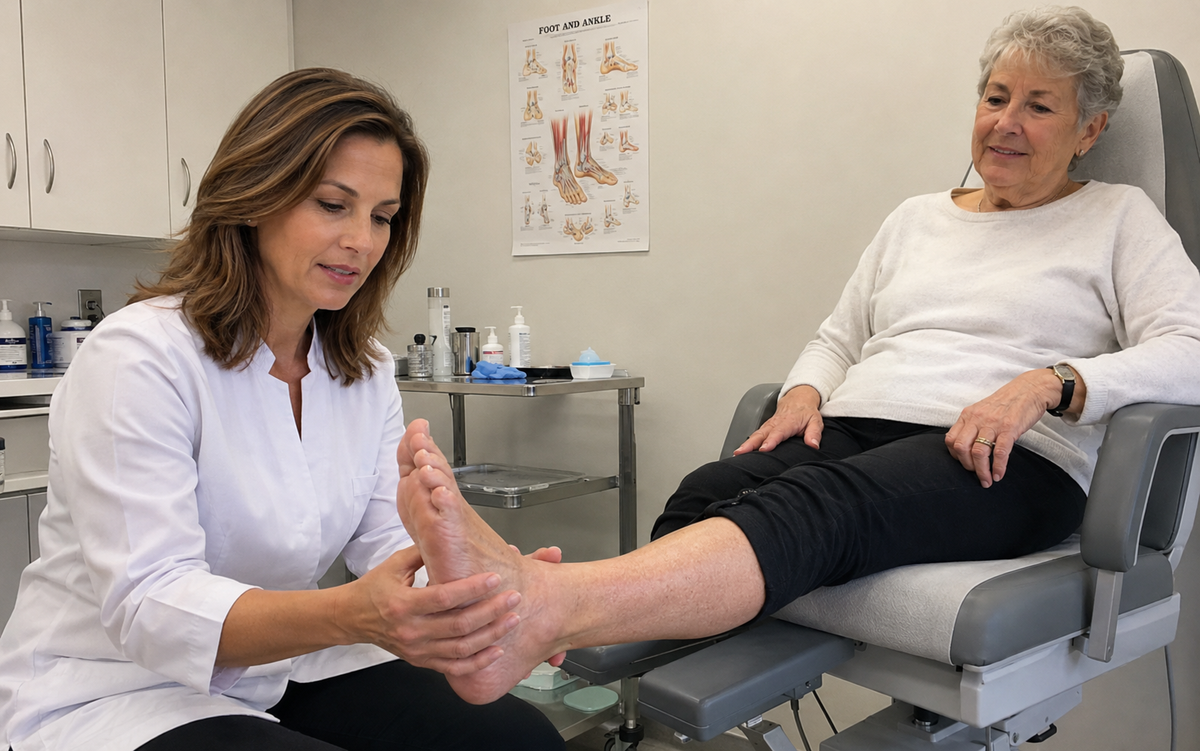
A few years ago a woman sat down across from me, lifted her trouser legs, and said, almost as a challenge, prove to me it is not my age. She had done everything right. Good shoes. Walks every morning. Lost weight. And still, every evening, the same swollen, aching legs.
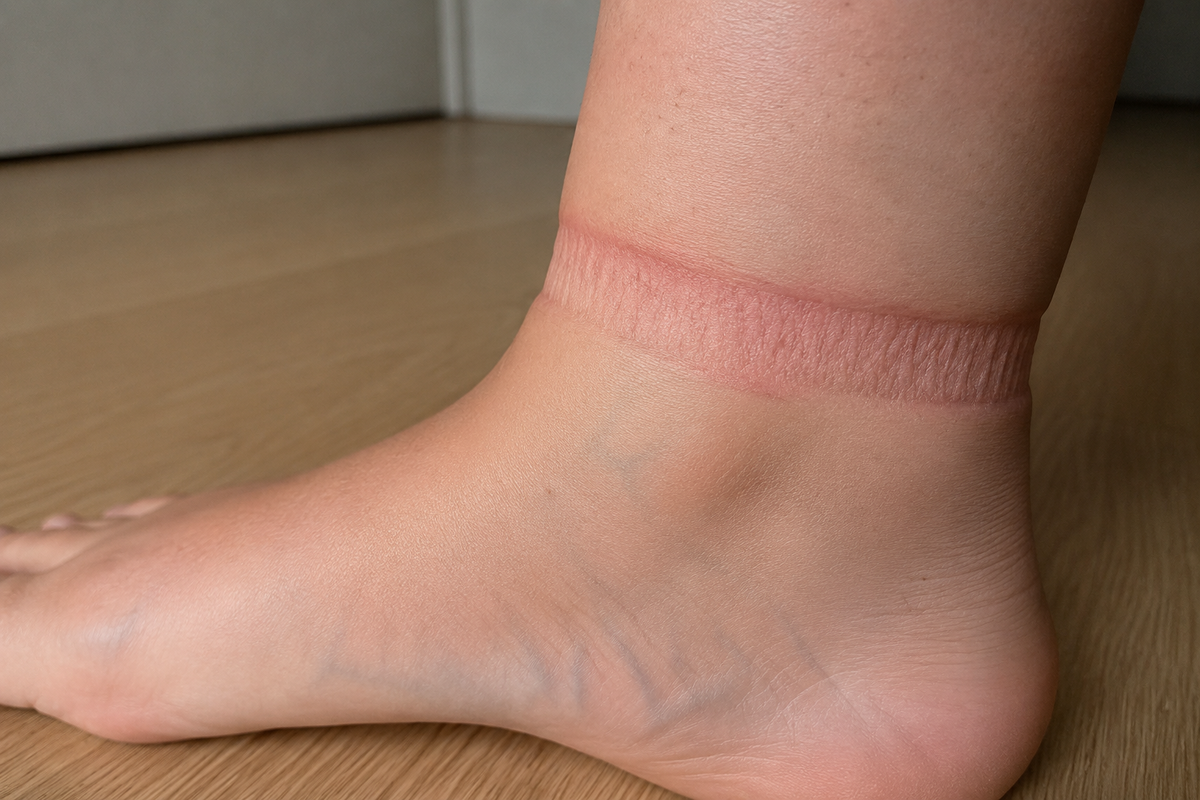
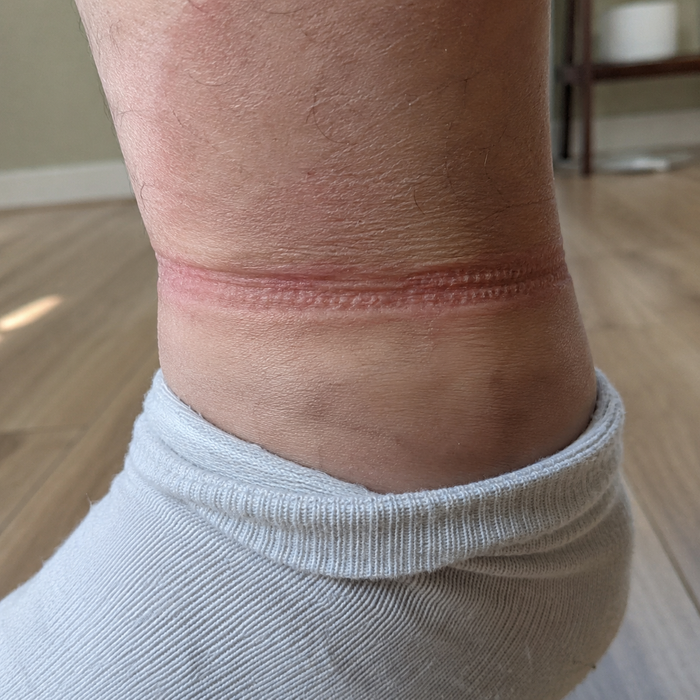
I asked her to do one thing. Take off your socks. She did. And there, pressed deep into the skin just above each ankle, were two tight red rings. The elastic had bitten in so hard the marks were still there minutes later. I asked her how long she had owned those socks. Years, she said. They were her comfortable ones.
That was the moment it became impossible to ignore. The one thing every single patient had in common was the one thing none of them ever suspected. Not their age. Not their shoes. The plain, ordinary socks they pulled on every morning without a second thought, the same way they had since they were children.
Here Is Why Every Ordinary Sock You Own Is Quietly Working Against You
Here is the part nobody ever explains, and once you see it you cannot unsee it.
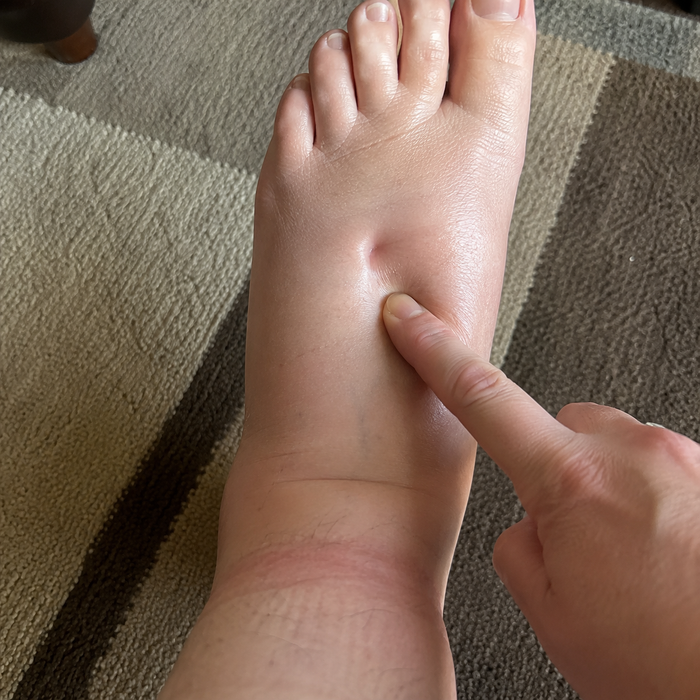
Your heart pushes blood down to your feet easily. Gravity helps. But getting that blood back up your legs, against gravity, all day long, is the hard part. Your calf muscles do most of that work, squeezing the blood upward every time you move. When that flow slows, fluid starts to settle in the lowest place it can reach. Your ankles. Your feet. That is the swelling. That is the heaviness. That is the ache. Your body is not broken. It is just not getting the help it needs to push that blood back up.
Now look at what an ordinary sock does. It has one band of elastic around the top, and it is the same tightness the whole way round. It grips hardest in exactly one spot, right where you find those red rings, and does nothing helpful anywhere else. It is like tying a soft band around a garden hose. It does not help the flow. In the place it grips, it gently works against it.
So every day you put on the one thing that is supposed to be comfortable, and without knowing it, you make the hardest job your legs have just a little bit harder. Hour after hour. Year after year. And then you blame your age.
The fix is gentle, graduated compression. Firmest at the ankle, easing as it rises up the leg, so tired blood is guided back up instead of left to pool.
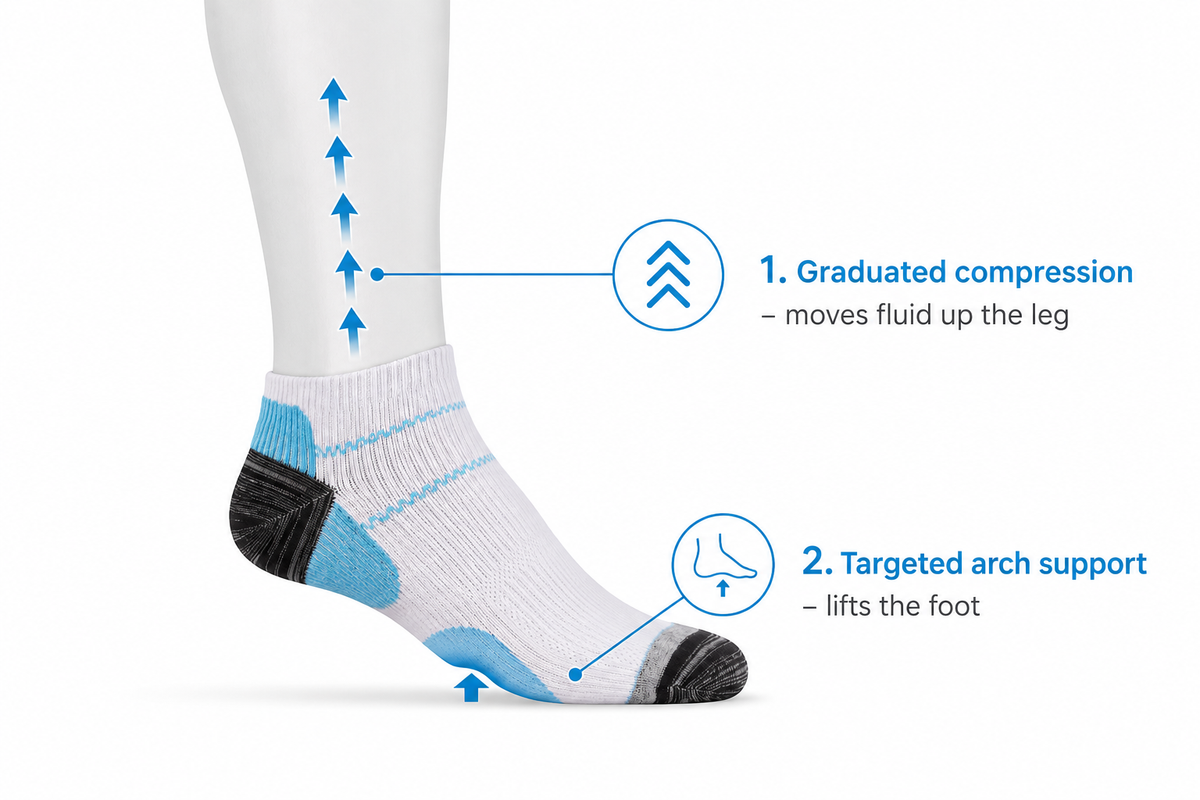
Graduated compression is not new. It is what hospitals use after surgery, what nurses wear through twelve-hour shifts, what long-haul flight crews rely on. The principle is simple and it is decades old. You make the sock firmest at the ankle, then let it ease as it travels up the leg. That gentle squeeze, tight at the bottom and lighter at the top, works with your calf to guide the blood upward instead of letting it pool at the floor.
Here is what makes it almost unfair once you understand it. You already wear socks. Every single day, all day, for years. You are already doing the exact behaviour. The only question that ever mattered was whether the sock on your foot was working for your circulation or quietly against it.
The question was never how to fix your feet. It was what you were putting on them all along.
The Only Compression Sock I Now Recommend to My Own Patients
Knowing the principle is one thing. Finding a sock that actually does it properly, and that someone will wear all day without complaint, is another. Most medical compression is grey, stiff, and so tight to pull on that patients give up within a week. And most high street socks marketed as compression are nothing of the sort. They are ordinary socks with a firm cuff and a clever label.
One brand was consistently different.
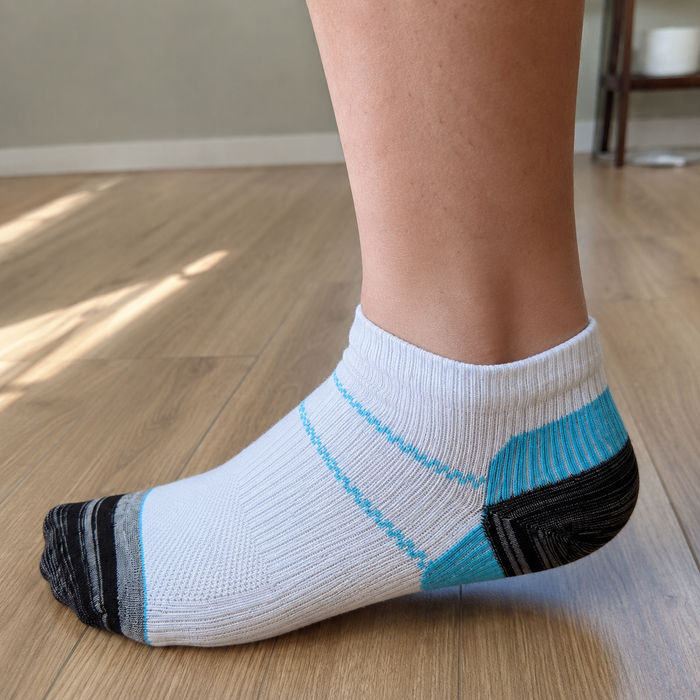
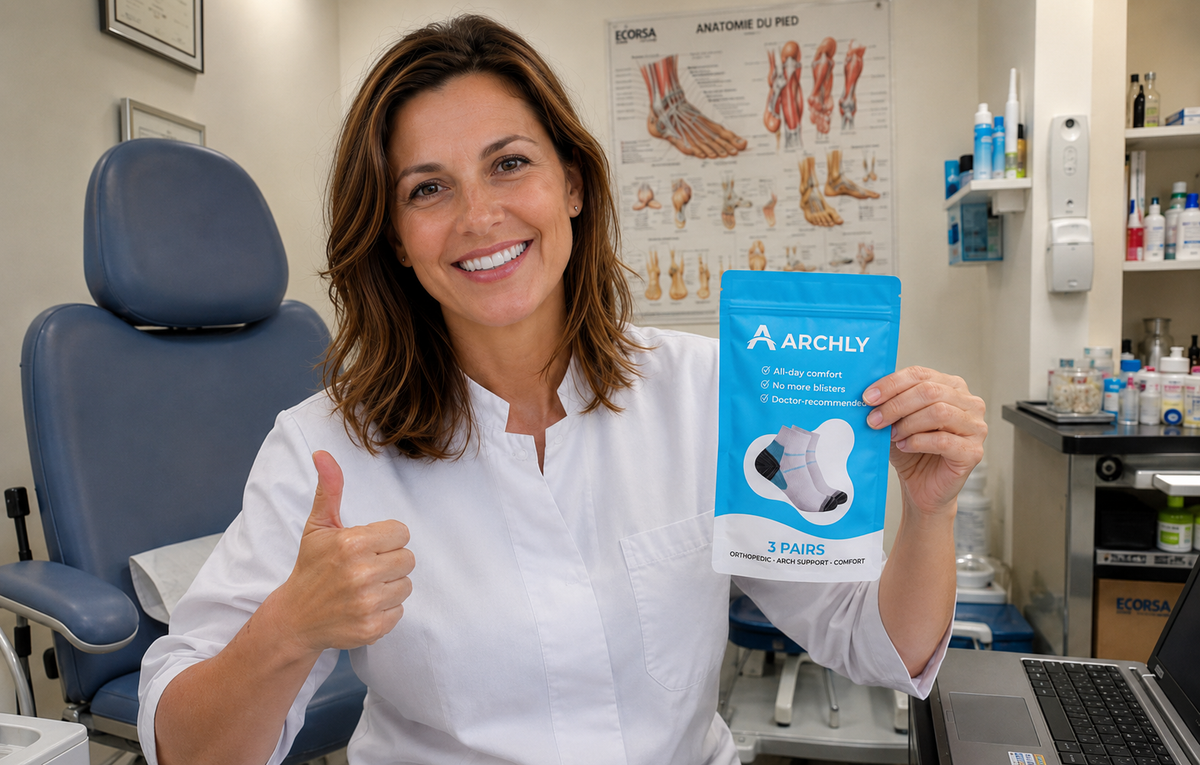
Archly make what I now consider the most sensibly designed everyday compression sock currently available. I started pointing patients toward them, and I have not stopped. This is not a clinical-looking sock you hide under trousers and resent all day. It is built to be worn from the moment you wake to the moment you sit down at night, and the difference is felt the very first evening you take them off and the puffiness simply is not there.
They have built every pair around the three things an ordinary sock gets wrong:
Firmest at the ankle and easing as it rises, so tired blood is gently guided back up your leg instead of left to settle at your feet. This is the single thing an ordinary sock cannot do, and the whole reason your legs feel lighter by evening.
A firmer woven band runs under the arch, cradling the part of your foot that takes the strain all day. It is the support people chase with expensive insoles, built directly into a sock you were going to wear anyway.
No single cruel band of elastic digging a ring into your ankle. The pressure is spread and engineered, so it holds without strangling. The first sign most people notice is the simplest one. No red marks when the socks come off.
The low ankle cut means they disappear inside any shoe. Breathable, moisture-wicking fabric keeps them comfortable through a full day, a reinforced heel and toe means they last, and they are designed to look like a normal, good sock, because the entire point is that you wear them every single day without thinking about it. The same way you wear the wrong ones now.
The Results Speak for Themselves
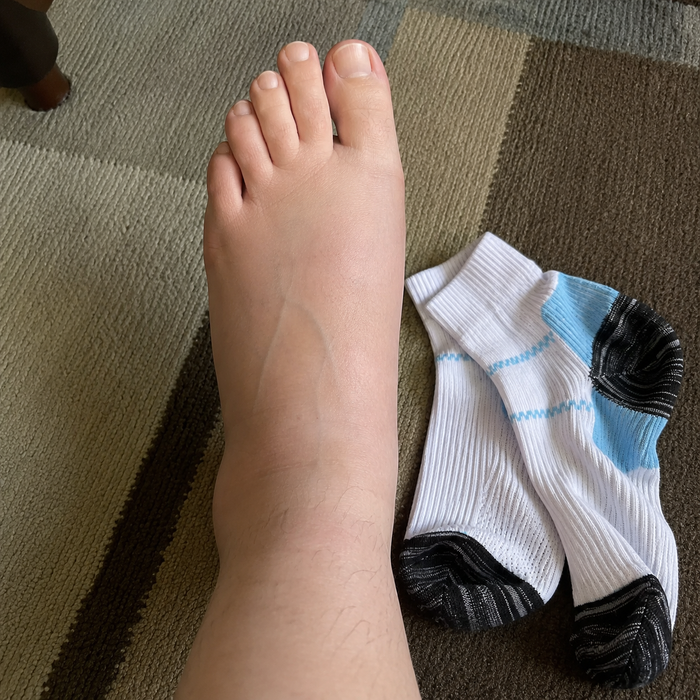
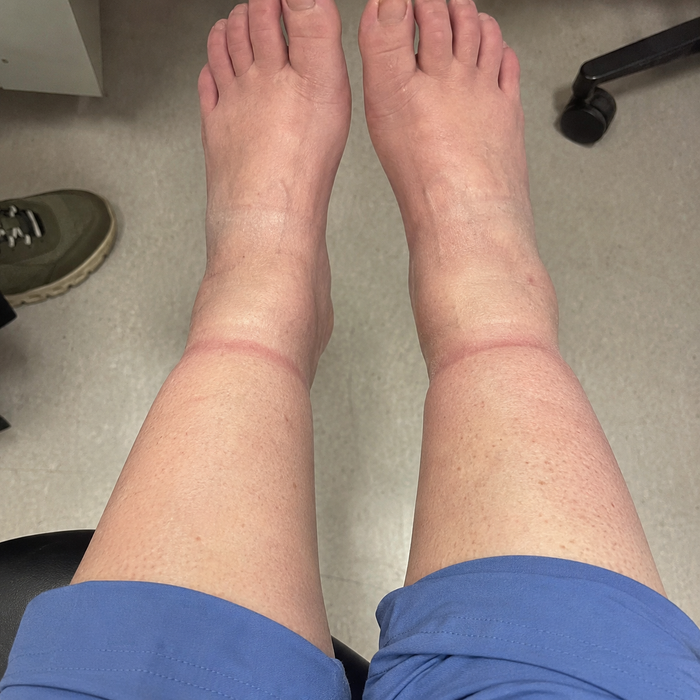
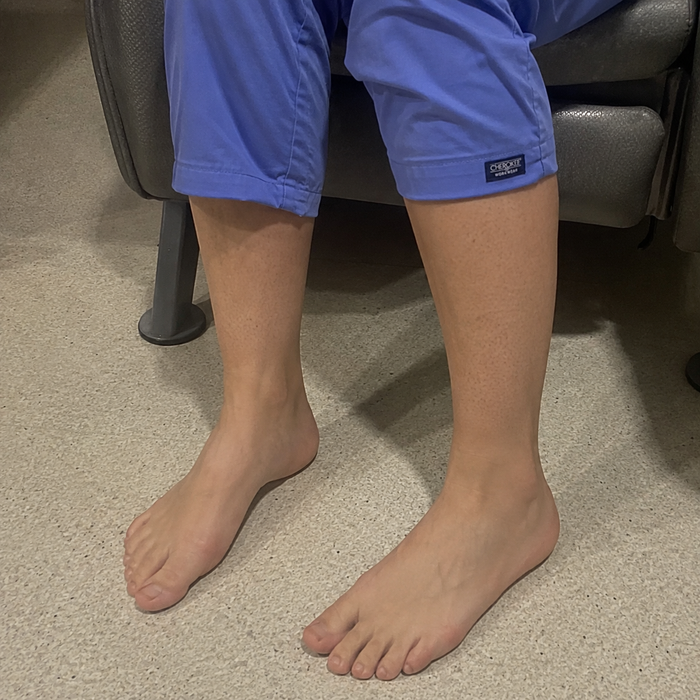
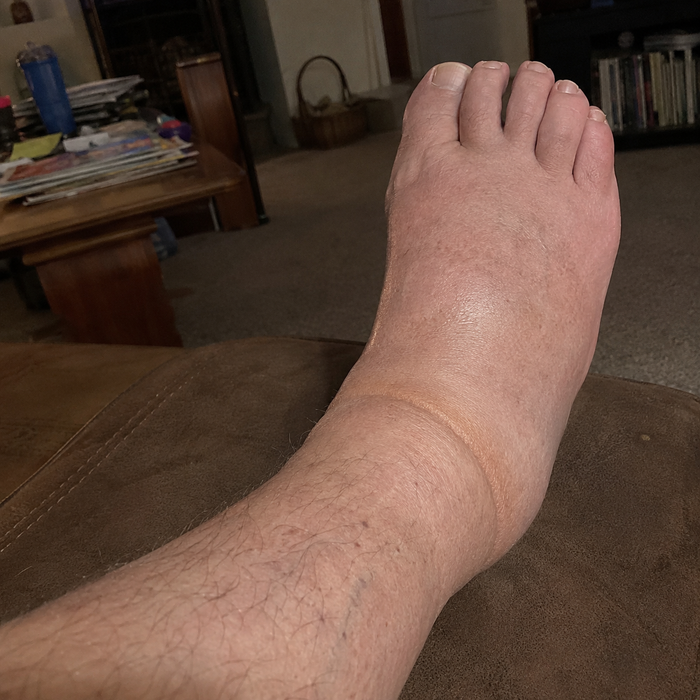
I want to be honest about timelines. This is not magic and it is not overnight. What it is, is the right thing working for you every single hour you are upright, which no insole, no foot cream and no monthly appointment can match. Most people notice the difference in the first week, usually the first evening, when they take the socks off and the swelling and the marks they had quietly accepted as normal are simply not there. The photos below were taken by real customers. No filters. No flattering angles.
 Before
 After
AfterI had given up on my ankles. By the evening they were so tight the sock marks would still be there the next morning. I genuinely thought that was just my body now. Three weeks in these and I could see my ankle bones again at night. I did not change anything else. I just swapped my socks.
 Before
 After
AfterI am a nurse, twelve hour shifts on my feet. By hour eight my legs felt like concrete and I just accepted it. A colleague told me to try these. I wore them for one shift expecting nothing. I went home and forgot to put my feet up. That has not happened in years.
 Before
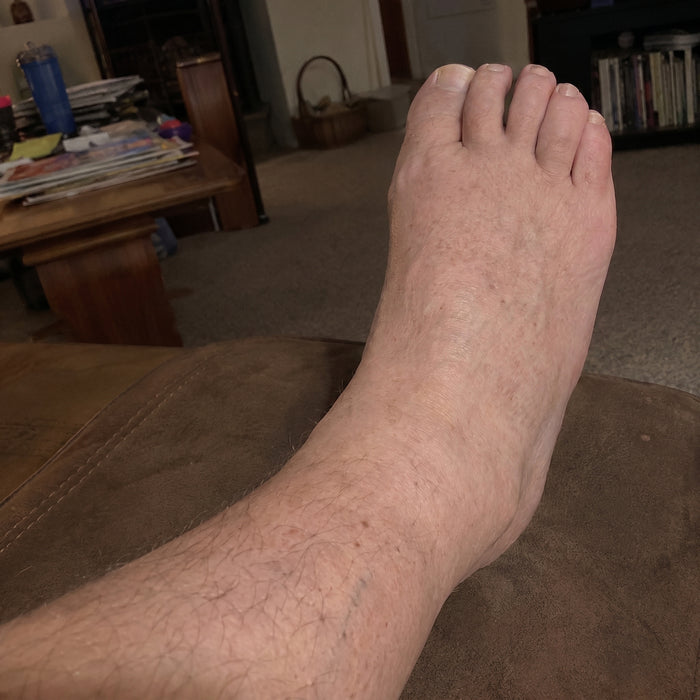 After
AfterMy husband bought these for me as a bit of a joke, honestly. I have moaned about my feet for so long he was running out of ideas. The first day I kept slipping them off at my desk just to look, because there were no lines pressed into my ankles. Eleven years of red rings every single night and I assumed that was just what feet did. Apparently not.
Where to find them
I do not typically recommend specific products. In fourteen years of practice I can count on one hand the number of times I have put a brand name in front of a patient and said, plainly, try this one.
Archly is one of them. They are available through their own website, which is how they keep the design and the compression standards that made me recommend them in the first place.
There is a full money-back guarantee, which tells you everything you need to know about how confident they are in what your legs will feel like by the end of the first day.
Click the button below to see if they are still in stock.
Since this article went up, Archly has seen a surge in orders and stock is running low. If you are thinking about trying them, now is the time.
What I would also remind you is that there is a full money-back guarantee. So if they do not help, you simply get your money back. No risk, no hassle.

Dr. Emma Vos is a podiatrist with over 14 years treating tired, aching and swollen legs in everyday patients. She writes to help people understand why standard advice fails and what actually works. Outside the clinic she walks far too much, drinks far too much tea, and is a quiet believer that most foot problems start with what we put on our feet without thinking.

I genuinely did not believe socks could matter this much. Three weeks in and I stopped putting my feet up the second I got home, because I no longer needed to. That was the moment it clicked for me.

The red rings around my ankles every night were just normal to me. I did not even register them anymore. A week in these and they were gone. Such a small thing. Does not feel small.

My daughter asked what I had changed because I was not complaining about my legs on the phone anymore. Nothing, I said. Just my socks. She did not believe me either.